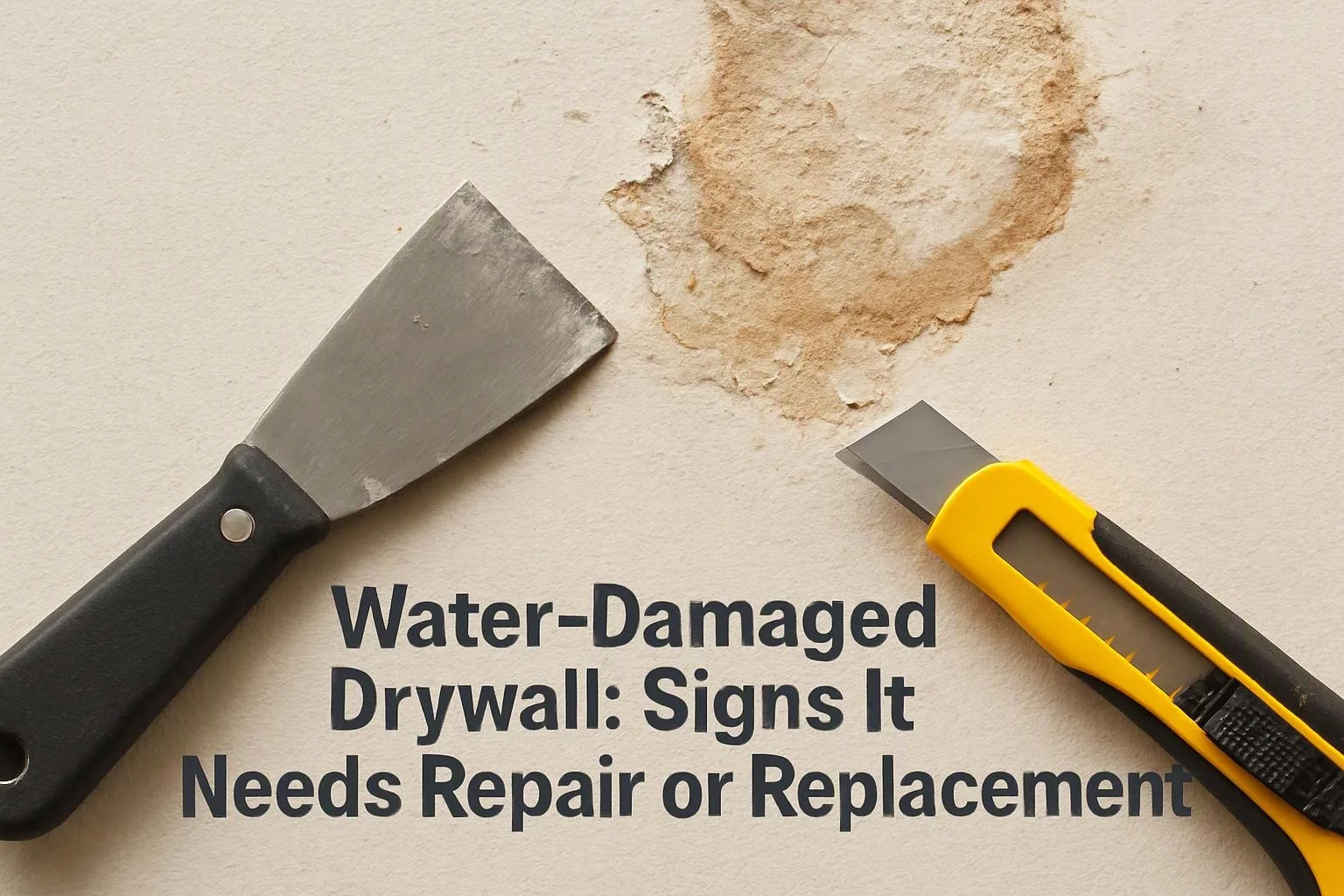
Water-Damaged Drywall: Signs It Needs Repair or Replacement
Water-damaged drywall can be repaired when the panel is dry, firm, and free from active mold or spreading damage. Replacement is safer when drywall is soft, swollen, sagging, crumbling, or contaminated, and HomeRemodelSnoqualmie.info can assess the affected area and restore the wall.
Request an EstimateHow Do You Know if Water-Damaged Drywall Needs Repair or Replacement?
Water-damaged drywall usually needs repair when the surface is dry and firm, but replacement is needed when the panel has lost strength or cannot be cleaned safely.
We start by locating the moisture source and checking how far the water traveled. A water stain may leave a firm panel behind, while a soft spot, swollen area, mold growth, or sagging ceiling points to a wider problem.
Our team can inspect the affected area and explain whether drywall repair or drywall replacement fits the condition. See our Drywall Repair service for help with damaged wall surfaces.
Mistake: Treating a Water Stain as Only a Cosmetic Problem
A water stain can show that moisture reached the drywall, ceiling, insulation, or framing. Stains often happen after a ceiling leak or wall leak, but the visible mark may not show the full damage.
Ignoring the stain can increase the repair scope when moisture remains behind the surface. We check the area before applying drywall repair materials, then address damaged sections and prepare the finish.
Mistake: Painting Over a Stain Before Fixing the Moisture Source
Painting over a water stain does not stop an active leak or moisture intrusion. Plumbing leaks, roof leaks, and other water sources can make the new paint peel, bubble, or discolor again.
The cost grows when paint failure hides continuing damage. We identify the moisture source first, then coordinate the needed repair before we prime and paint the drywall.
Mistake: Repairing Drywall That Feels Soft or Spongy
Soft or spongy drywall usually means the gypsum core has absorbed water and lost strength. A panel may look acceptable while the core no longer supports the wall surface.
A patch over weak material can fail and leave the wall unstable. We cut out damaged drywall and install replacement drywall when the panel cannot hold fasteners or finish materials securely.
Mistake: Ignoring Sagging, Bulging, or Swollen Drywall
Sagging drywall, bulging drywall, and swollen drywall show that the panel may have changed shape or lost support. Ceiling drywall deserves special care because gravity can worsen panel failure.
These conditions can make the repair larger and affect nearby joints. We check the panel, fasteners, framing, and surrounding surface before deciding whether replacement is needed.
Mistake: Leaving Mold or a Musty Smell Inside the Wall
Mold or a musty odor can indicate microbial growth in damp drywall, insulation, or hidden wall spaces. Contaminated drywall may not be safe to keep when cleaning cannot remove the affected material.
Moisture control must come before cosmetic work, or mold growth may continue. We assess the affected area and recommend removal and replacement when the drywall cannot be cleaned safely.
Mistake: Keeping Crumbling or Delaminated Drywall
Crumbling drywall and delamination mean the paper facing or gypsum board has separated or broken down. Water can weaken the paper facing and leave a surface that will not hold joint compound.
Keeping failed material can cause recurring cracks and poor paint adhesion. We remove the damaged section, fit a replacement panel, and rebuild the joints for a stable finish.
Mistake: Replacing a Small Dry Area Without Checking Nearby Damage
A small dry area can sit beside hidden moisture in insulation, framing, or adjacent drywall. Water can travel beyond the stain and leave damage outside the first visible spot.
Skipping a wider damage assessment can lead to repeat work and a mismatched repair. We inspect nearby materials before we cut out the damaged section or plan the replacement area.
Mistake: Matching the Patch Without Planning the Finish
A drywall patch needs more than a fitted panel because the joint, texture, primer, and paint finish must blend with the wall. Texture matching becomes harder when the surrounding surface has an older or custom finish.
Poor finish planning can make a sound repair remain visible. We use joint compound, prepare the surface, match wall texture, and include interior house painting when the scope calls for it.
Repair or Replace? Use This Drywall Condition Guide
The right choice depends on panel strength, moisture exposure, contamination, and the quality of the existing finish. The guide below shows how common symptoms usually affect the work scope.
| Condition | Likely direction | What the work may include |
|---|---|---|
| Firm, dry water stain | Repair may be suitable | Moisture check, stain treatment, joint work, primer, and paint finish |
| Soft or spongy drywall | Replacement is usually safer | Removal of weak material, replacement panel, joint treatment, and surface finishing |
| Sagging or bulging ceiling drywall | Replacement needs close review | Panel and support inspection, damaged-area removal, and secure installation |
| Mold, musty odor, or contamination | Removal may be required | Moisture control, affected-material assessment, and safe restoration planning |
| Crumbling or delaminated surface | Replacement is generally needed | Removal of failed gypsum board and installation of a sound replacement panel |
A firm stained panel may be repairable after the moisture source is controlled. A panel that is soft, swollen, sagging, contaminated, or crumbling needs a closer replacement review.
What We Check Before Repairing or Replacing Water-Damaged Drywall
Our team checks the moisture path and panel condition before choosing a repair or replacement scope. This process helps prevent a clean-looking finish from covering hidden damage.
When Should You Call HomeRemodelSnoqualmie.info?
Call our team when water damage affects the ceiling, weakens the wall, or may extend behind the drywall. These conditions can require careful inspection and coordinated repair work.
Water-damaged drywall can involve more than a surface patch. Our team can assess the condition and outline the repair or replacement work needed.
What Changes the Cost of Water-Damaged Drywall Work?
The cost depends on the damaged area, moisture source, hidden damage, mold concerns, finish matching, and whether painting is needed; we explain each part in the quote.
Drywall repair cost drivers include the condition of the existing panel, stain treatment, joint work, texture matching, and paint blending. Drywall replacement cost drivers include removal, disposal, the replacement area, insulation or framing concerns, and the final surface finish.
Our quote separates the work needed to control moisture, restore the wall, and complete the finish. You can request a quote through our contact page.
How We Restore a Wall After Water Damage
We restore a water-damaged wall by controlling moisture, removing unsound material, rebuilding the surface, and matching the finish. Our team chooses drywall repair or drywall installation based on the panel condition.
We first confirm that the moisture source has been addressed and review the surrounding area for hidden damage. Then we remove damaged drywall when needed, install sound material, and secure the joints.
Joint treatment follows with sanding, surface preparation, and texture matching. We complete the work with primer and interior house painting when the repair requires a finished blend.
For regulated plumbing, roofing, electrical, or structural concerns, we advise using the properly licensed trade responsible for that work. Our crew can focus on the drywall restoration after the underlying issue is handled.
Questions About Water-Damaged Drywall
Can stained drywall be repaired if it still feels firm?
Yes, stained drywall can often be repaired when the panel is dry, firm, cleanable, and protected from further moisture. Our team still checks the moisture source and nearby areas before repairing the stain.
What does soft or sagging drywall indicate?
Soft or sagging drywall indicates that water may have weakened the gypsum core, paper facing, fasteners, or nearby support. Our team checks the panel and surrounding materials before recommending repair or replacement.
Should insulation be replaced with water-damaged drywall?
Insulation should be assessed when water-damaged drywall has allowed moisture behind the wall. Our team checks the exposed area and explains whether affected insulation needs removal as part of the restoration scope.