What signs indicate an exterior door was installed incorrectly?
Air drafts are a strong sign that the door or frame does not seal correctly. Uneven gaps, a sticking door, loose hinges, poor latch alignment, and water leaks are other warning signs. We inspect the jamb, threshold, hardware, and weather seal together. That check shows whether adjustment, replacement, or related frame work fits the problem.
How should I prepare before requesting a door installation quote?
Photos of the door edges, jamb, threshold, hinges, and damaged trim help describe the work. Note where the door sticks, leaks, or fails to latch, and explain how the property uses the entry. Those details help us discuss access, replacement scope, and related carpentry during the consultation.
Which part of the job changes the quote most for Exterior Door Installation?
The opening condition often changes the quote more than the door slab alone. Frame repair, threshold work, trim replacement, hardware, and removal can expand the scope. A consultation lets us review those parts together. We then prepare pricing that reflects the actual door, opening, and finish work selected.
When is a new door the wrong fix?
A new door is the wrong fix when a small hinge, latch, trim, or weather-seal repair solves the problem. Frame damage can also require carpentry before a replacement will work correctly. We check the source of the symptom first, then explain whether repair, replacement, or related remodeling work matches the property.
Why does a replacement door still stick after fitting?
A replacement door can stick when the jamb is out of square or the hinges and latch are misaligned. The frame, hinge screws, strike area, threshold, and door edges need separate checks. We adjust the parts that control movement and identify frame work when adjustment alone cannot correct the rubbing.
Can a general contractor coordinate related door repairs?
Yes, a general contractor can coordinate door installation with trim, framing, finish work, and broader remodeling. Our team manages the connected scope when the opening needs more than a door unit. This approach helps property owners review one plan for the entry and any nearby work that affects the final fit.
How does the installation process protect the final fit?
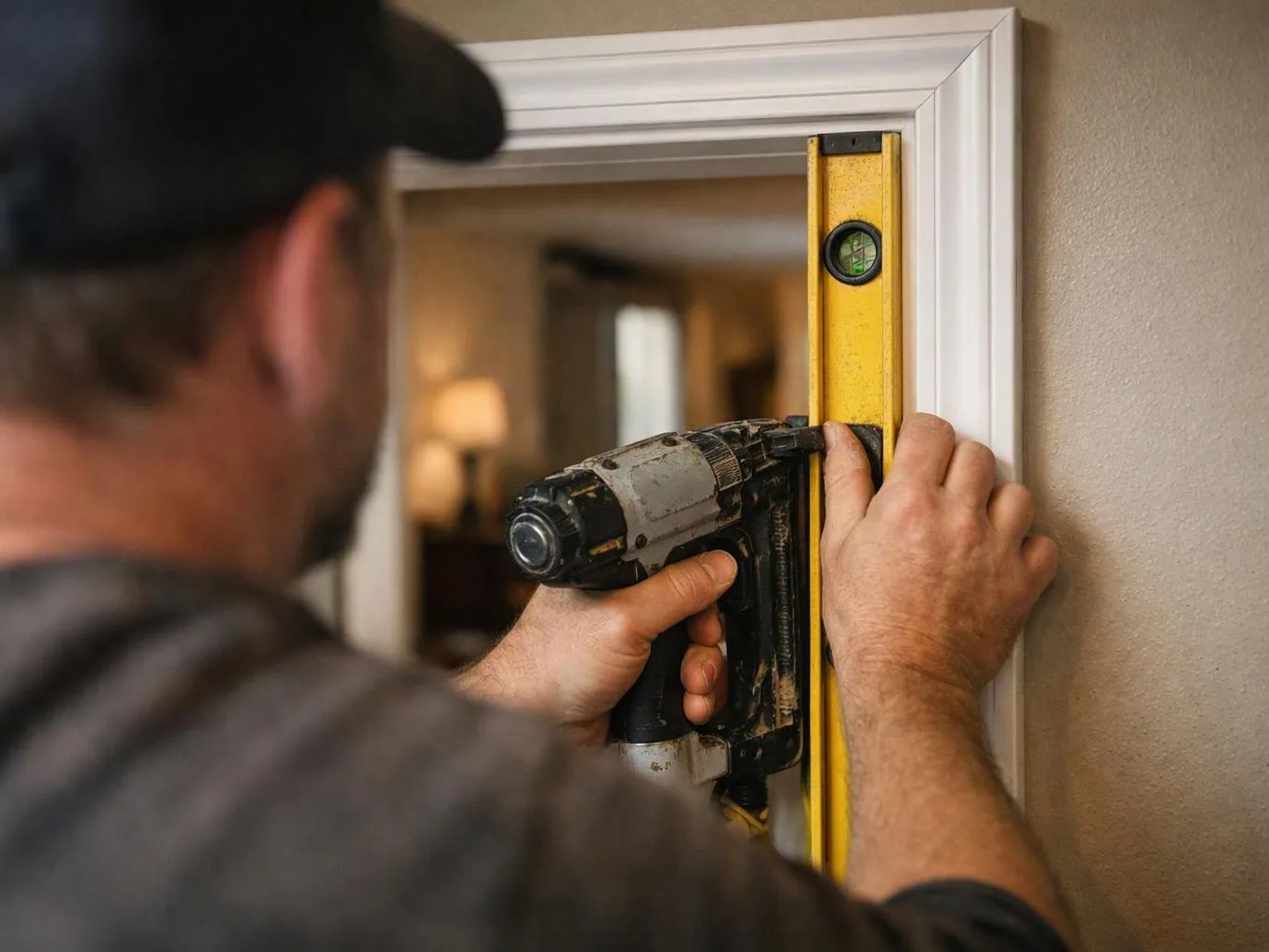
The final fit comes from checking the opening before setting the door and hardware. We inspect the jamb and threshold, place the frame, adjust the hinges and latch, then test operation and sealing. Each check addresses a different failure point, so the review covers movement, gaps, water paths, and weather sealing.