
What Is Waterproofing?
Waterproofing is the process of keeping water from entering or damaging a building area. It uses barriers, coatings, drainage paths, and sealed joints to control moisture. In basement remodeling, waterproofing may protect walls, floors, windows, and utility openings from leaks, seepage, and damp conditions that can damage finishes.
Quick Facts About Waterproofing
Category
Moisture control
Used for
Basement walls, floors, and openings
Common confusion
Waterproofing versus vapor barriers
Also called
Waterproof Membrane, Water protection
Often discussed with
Basement Remodeling
Key Takeaways About Waterproofing
- Waterproofing controls water, while drainage directs it away.
- Sealed joints and wall coatings help block moisture entry.
- Waterproofing is not the same as vapor control.
How Waterproofing Works
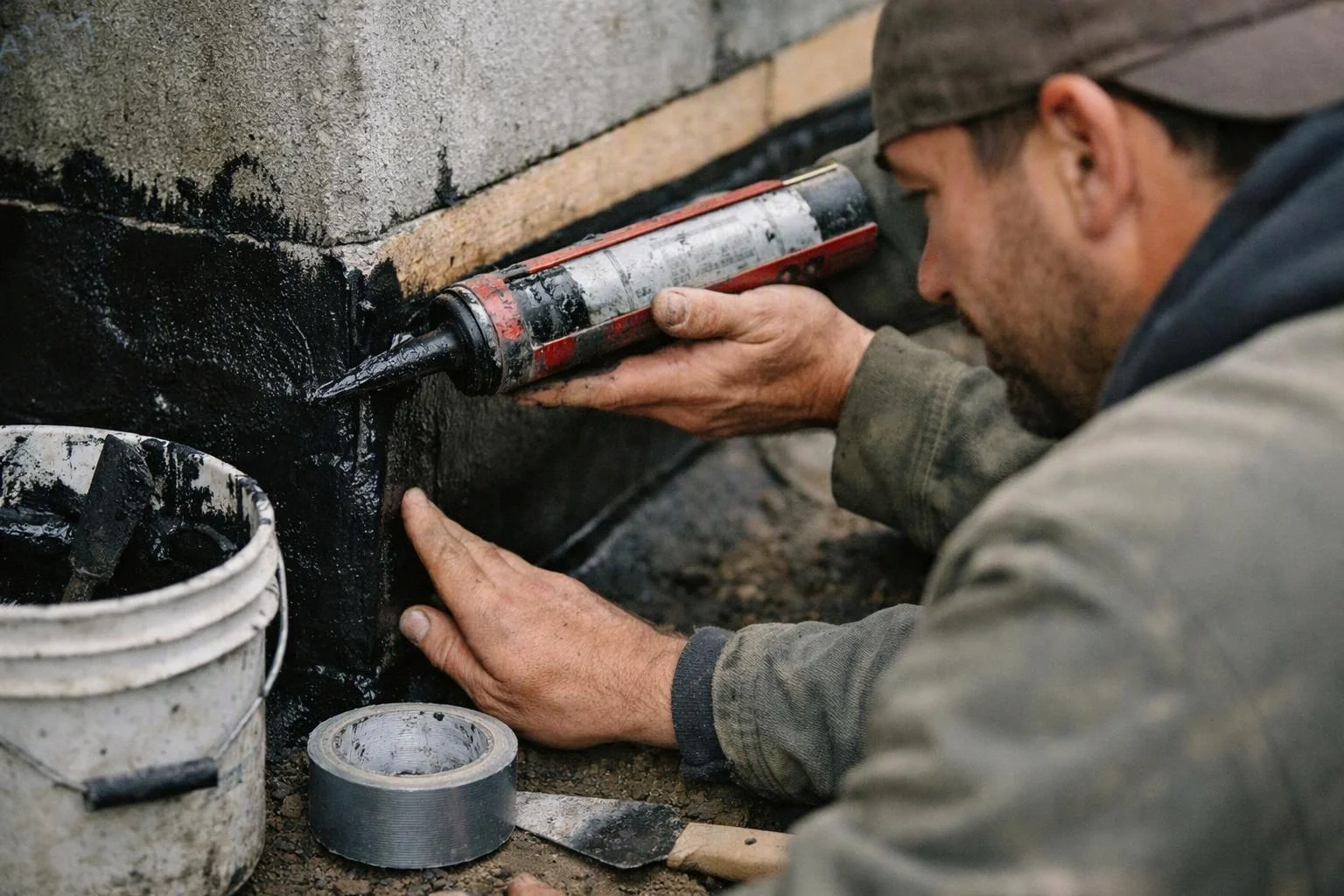
Waterproofing works by blocking water at surfaces and guiding unwanted water toward a drain or other approved outlet. Coatings can seal masonry walls, while membranes form a continuous barrier across larger areas. Sealants close gaps around joints, pipes, and window openings.
Related glossary terms: Moisture Barrier, Vapor Barrier, Flashing.
Basement waterproofing often combines surface protection with drainage control. A floor drain, sump system, or exterior grading can help move water away from the finished space. The right method depends on where water enters and whether the wall, floor, or opening needs protection.
Related materials
- Moisture Barrier limits water movement through a surface.
- Flashing directs water away from vulnerable joints.
- Sealants close small gaps around penetrations and edges.
Expert Note
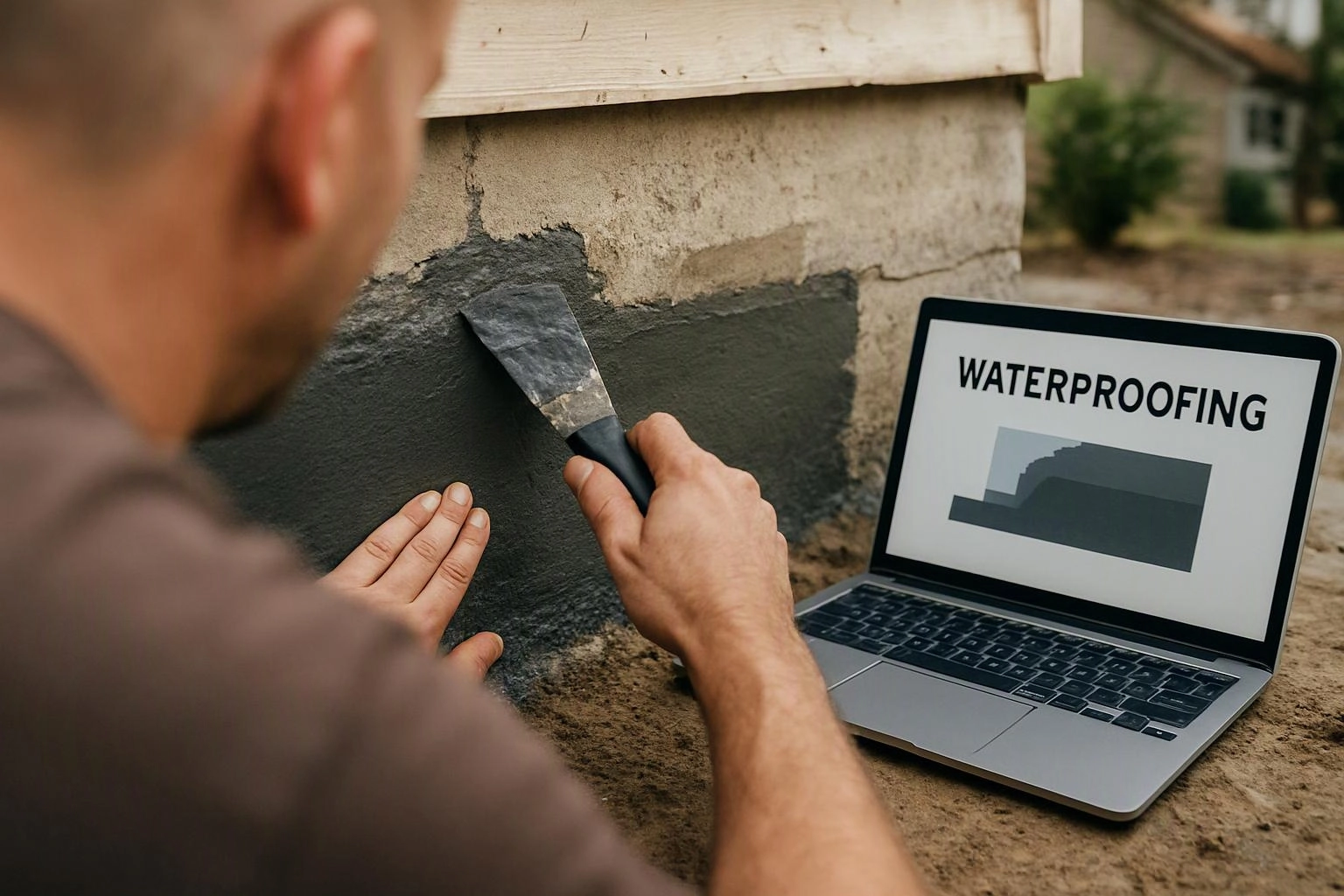
When we plan basement remodeling work, we check walls, floors, windows, and utility openings for moisture paths. We match the protection method to the entry point, then seal connected surfaces so new finishes don't hide an active water problem.
Waterproofing in Practice: A Real-World Example
A basement remodel may need waterproofing where a foundation wall meets the floor and around a below-grade window. The work can combine a wall coating, sealed joints, and a drainage path before new flooring or drywall is installed.
Related Services
Related Terms
Moisture Barrier
A Moisture Barrier is a material or layer that limits water vapor and liquid water from…
Vapor Barrier
A vapor barrier is a building material that slows water vapor from moving through walls, floors…
Flashing
Flashing is a thin, shaped material that directs water away from roof joints, wall edges, chimneys…
Window Flashing
Window flashing is a water-shedding material installed around a window opening. The flashing directs rain away…
HomeRemodelSnoqualmie.info
Have Questions About Waterproofing?
Contact HomeRemodelSnoqualmie.info for practical guidance on Waterproofing and related general contractor work in Snoqualmie.