For Interior Door Installation, how is a new interior door finished after installation?
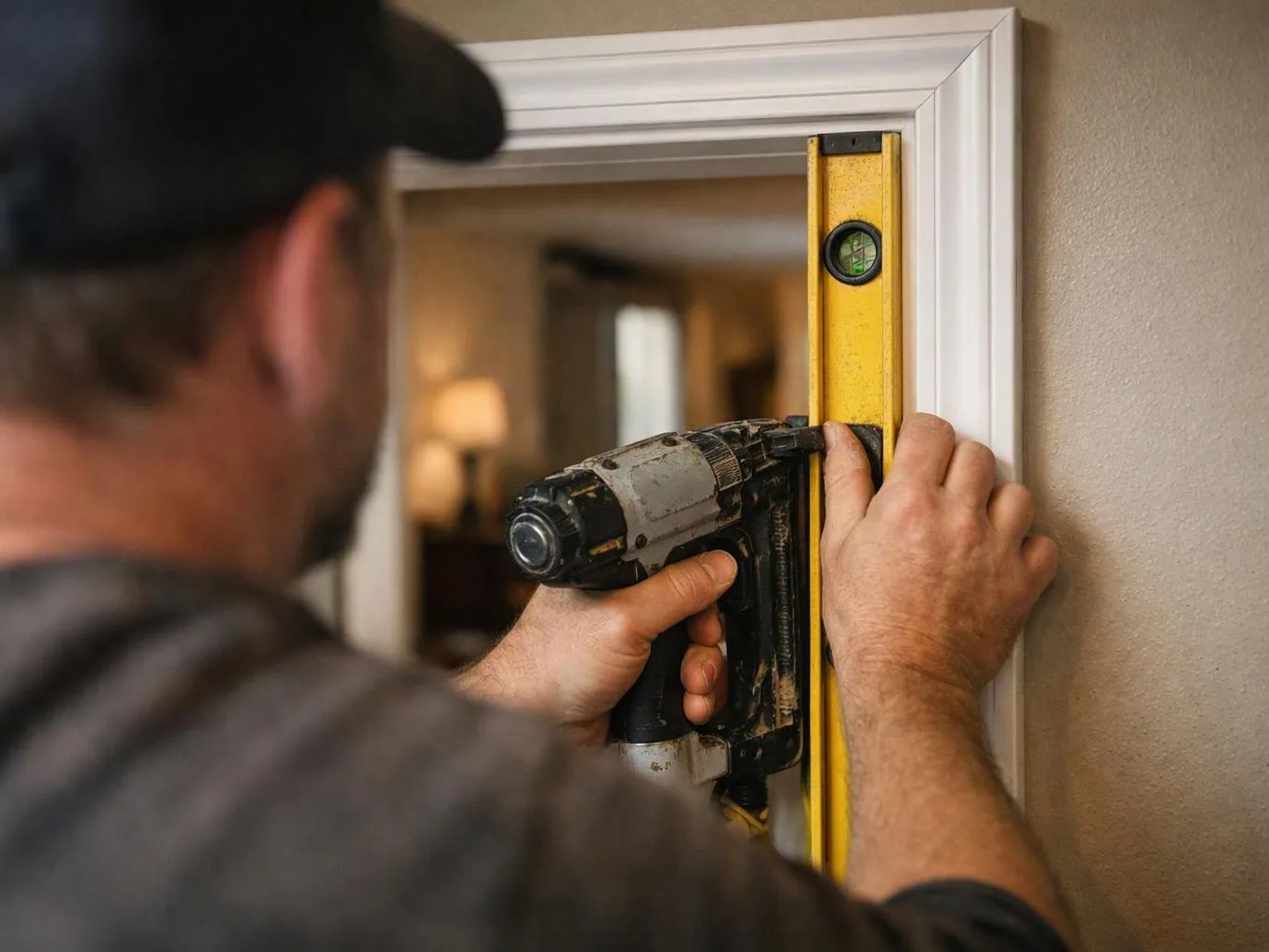
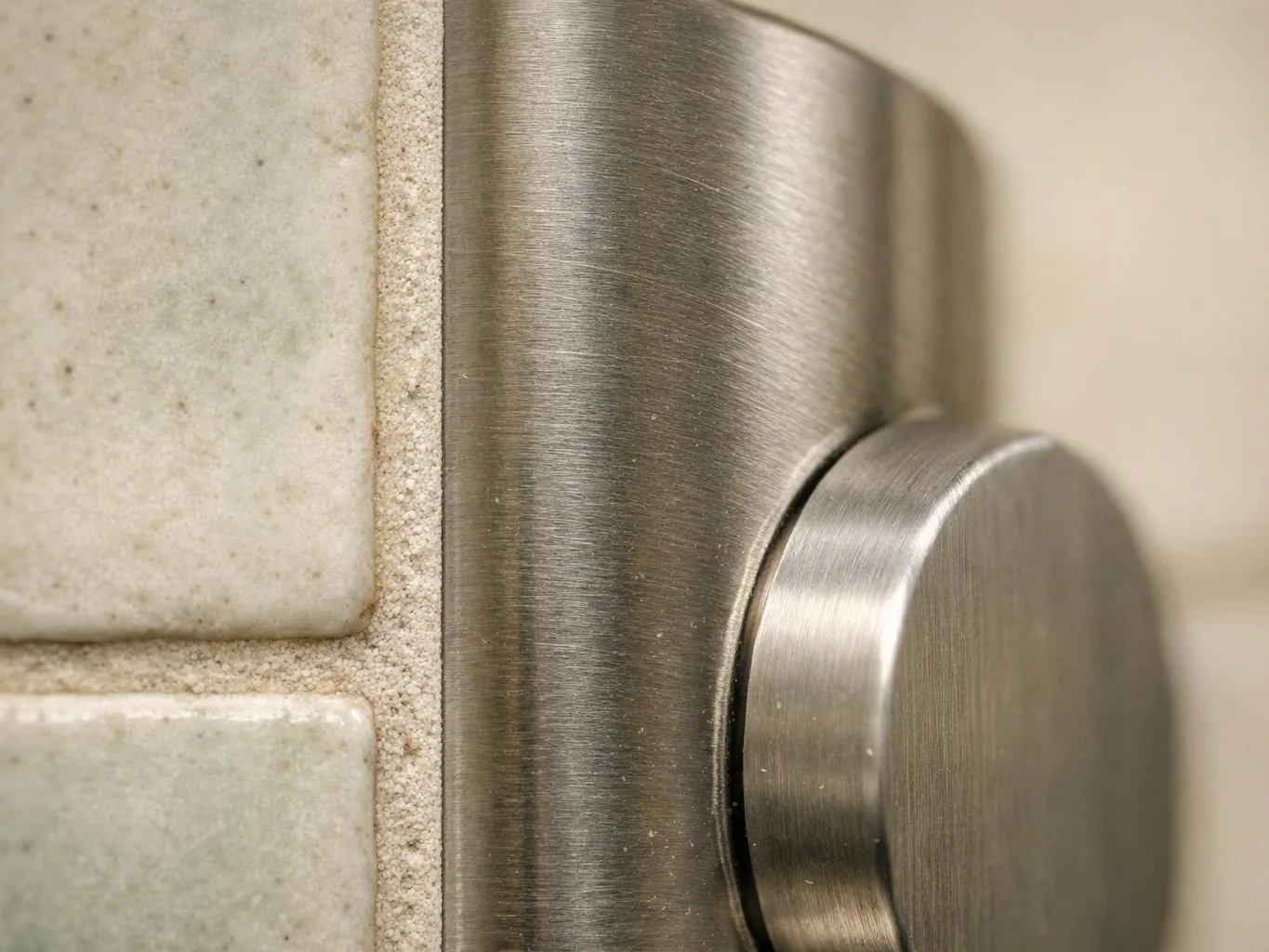
Trim caulking finishes the joint between the casing and wall after the door is fitted. The remaining work includes checking the reveal, adjusting the latch, filling small surface flaws, and preparing the trim for paint. We also test the door swing and closing action. This final check helps separate finish concerns from framing or hardware problems.
What part of the opening decides the installation scope?
The existing opening decides much of the installation scope. The jamb condition, wall edge, door size, hinge side, and casing layout each affect the work. A sound opening may need fitting and trim only. A damaged or altered opening may need related framing or wall repair, which we identify before quoting.
Which material choices change the door installation work?
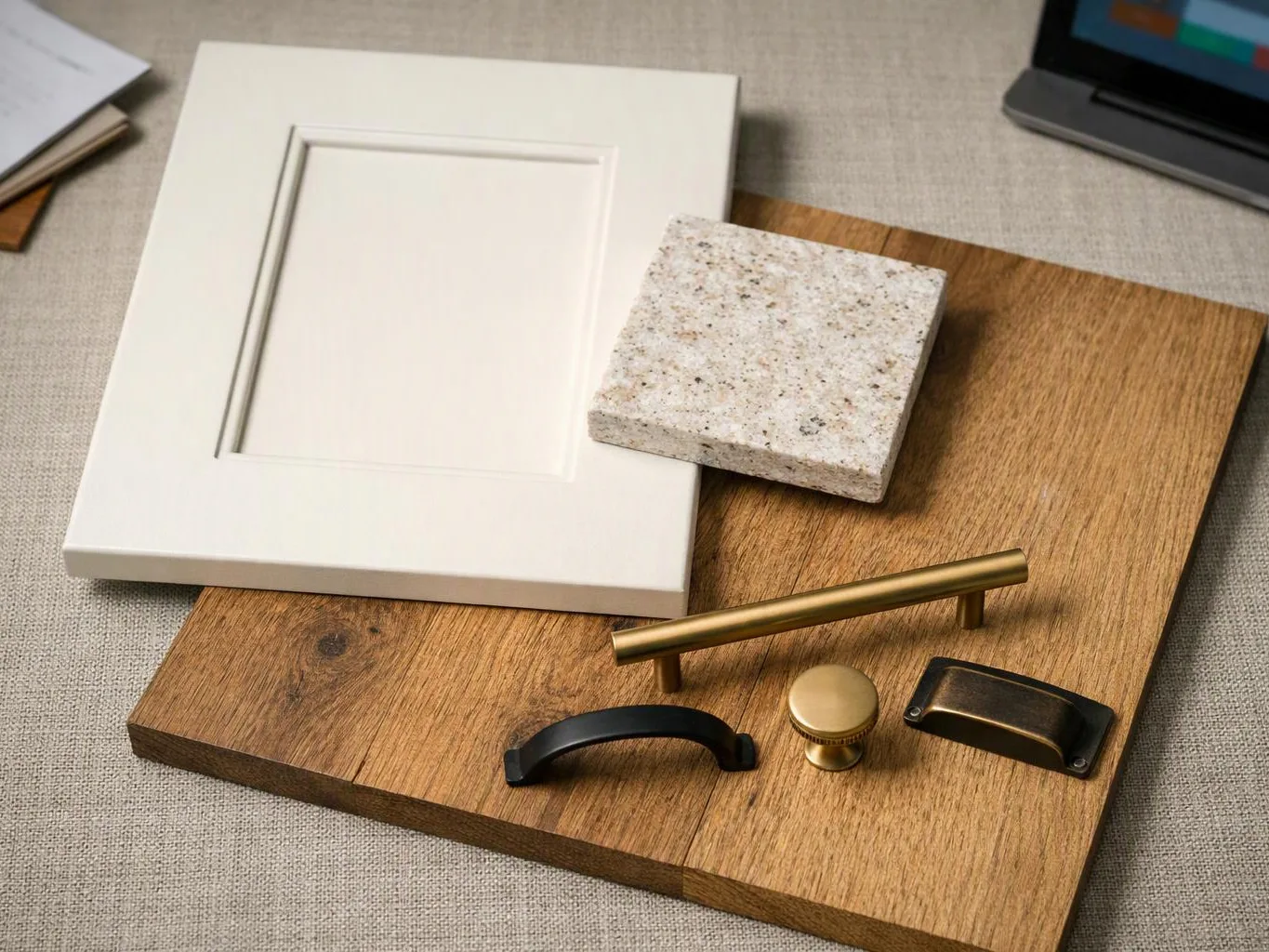
The door, frame, casing, and hardware materials change how the installation is carried out. Wood trim may need filling and paint preparation, while a different casing profile can change the cuts around the opening. Door weight also affects hinge selection and alignment. We review the selected materials with the opening before finalizing the scope.
When should a door replacement include new casing?
A replacement should include new casing when the existing trim is damaged, does not cover the new frame, or conflicts with the planned finish. Casing also matters when a wall layout changes around the opening. We compare the frame width, wall edge, and trim profile before deciding whether to keep, repair, or replace the casing.
Why does a new door rub after it is hung?
A rubbing door often points to jamb position, hinge alignment, or an uneven reveal. The door slab and frame need inspection before anyone sands or cuts the edge. We check the hinges, shims, latch side, and frame position, then explain whether adjustment is enough or the opening needs added work.
How do commercial clients plan interior door work around operations?
Commercial clients plan the work by grouping affected openings and defining access needs before installation starts. Property managers can provide door locations, hardware preferences, and finish requirements for review. We coordinate the construction scope with the planned use of each room. The quote can then separate door work from broader tenant improvement tasks.
What should a buyer prepare before requesting a quote?
A buyer should prepare the door location, preferred door type, trim goals, and any known hardware needs. Photos of the opening can help show the jamb, casing, and wall condition. We use those details to discuss the likely scope, then review the property in more detail before setting the final quote.