Roof Leak Warning Signs and When Repeated Repairs May Not Be Enough
Roof leak warning signs include ceiling stains, damp attic materials, musty odors, damaged shingles, and recurring leaks. At HomeRemodelSnoqualmie.info, we check the leak source and roof condition to decide whether repair or replacement fits.
Request an EstimateWhat Roof Leak Warning Signs Should You Check First?
Roof leak warning signs include indoor stains, damp attic materials, musty odors, and visible roof damage.
A leaking roof can send water along rafters, insulation, and walls before it becomes visible. We check the roof shingles, flashing, gutters, roof vents, and connected areas to trace the water path.
Our team can also explain your options through our Roof Repair service. The right fix depends on the leak source and the wider roof condition.
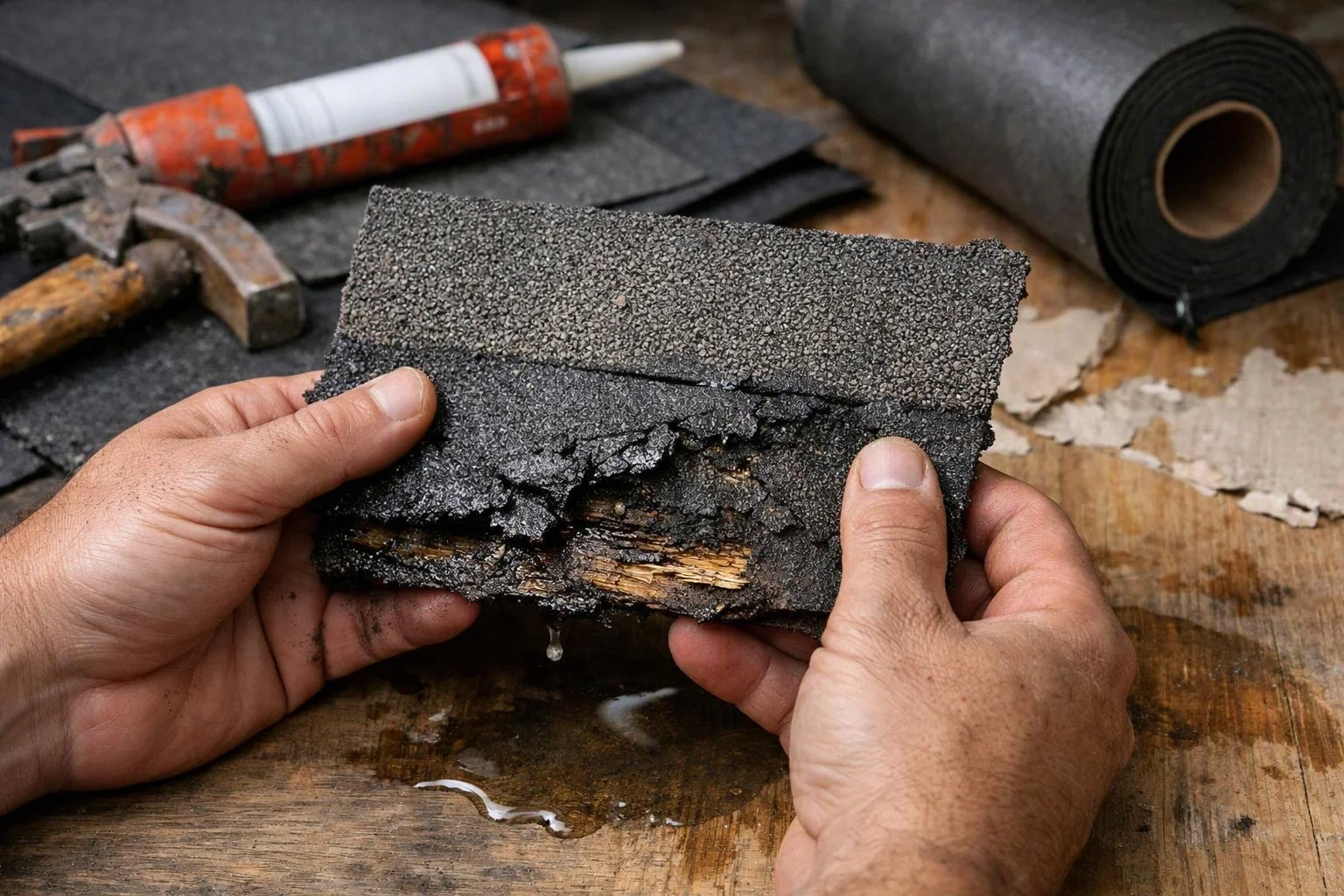
Water Stains on Ceilings and Walls
A ceiling stain or wall stain can show that water is entering the home above it.
Roof leaks may follow framing before they reach the drywall. Plumbing leaks can create similar marks, so we trace the path before choosing a repair.
The cost of the fix depends on the leak source, hidden moisture, and drywall damage. We correct the entry point and explain any related interior work.
Ignoring Damp Insulation in the Attic
Damp attic insulation can show that moisture is reaching the roof decking or surrounding materials.
Wet insulation can hide ongoing water intrusion and may support mold growth. We inspect the insulation, roof decking, rafters, and nearby roof penetrations.
The repair depends on how far moisture has traveled and whether materials need removal. Our team stops the leak source before addressing affected areas.
Painting Over a Recurring Water Mark
Painting over a recurring water mark hides the surface while hidden moisture may remain behind it.
Fresh ceiling paint can cover discoloration for a short time, but it cannot stop a roof leak. Repeated marks can point to drywall damage or a water path that has not been corrected.
The fix includes finding the entry point and checking the affected ceiling area. We address the roof problem before interior restoration.
Replacing Shingles Without Checking Flashing
Replacing roof shingles without checking flashing can leave the original leak source in place.
Cracked flashing near a chimney, roof vent, wall, or valley can direct water below new shingles. We inspect connected flashing because the visible shingle may not be the cause.
The cost depends on the flashing failure, access, and nearby roof damage. Our fix targets the complete water entry area.
Sealing a Leak Without Finding Its Source
Sealing a roof leak without finding its source can trap the real problem beneath a temporary patch.
Roof penetrations can create a long water path under the covering. Sealant may fail when the surrounding flashing, shingle, or underlayment is damaged.
The fix requires leak tracing and a condition check around the suspected entry point. We repair the component that allows water into the roof system.
Ignoring Damaged or Missing Shingles
Missing, cracked, or curled shingles can expose the roof underlayment to water.
Wind, weather, age, and poor attachment can damage shingles. Water can then reach the underlayment, roof decking, and interior finishes.
The cost depends on the amount of shingle damage and the condition below it. We replace affected materials and check nearby courses for related problems.
Overlooking Sagging Roof Areas
A sagging roof area can signal damaged roof decking or wider structural damage.
Long-term water intrusion can weaken decking and framing. A sag may also point to a problem that surface repairs cannot correct.
The repair depends on the affected roof structure and the extent of water damage. Our team evaluates the area before recommending repair or replacement.
Treating Musty Attic Air as Normal
A musty attic odor can indicate moisture buildup, poor attic ventilation, or mold growth.
Moist air can collect around insulation, roof decking, and rafters. We look for roof water entry and ventilation conditions that may keep materials damp.
The fix depends on the moisture source and affected materials. We address roof leaks and explain ventilation corrections that support a dry roof system.
How Do Roof Leak Signs Compare With Other Roof Damage?
Roof damage signs point to different causes, so the visible symptom alone doesn't identify the needed repair.
We compare the indoor symptom with the roof components above it. That process helps separate a focused repair from a broader replacement assessment.
| Visible sign | Possible cause | What we check | Likely direction |
|---|---|---|---|
| Ceiling stain | Roof leak, plumbing leak, or condensation | Water path and nearby roof or plumbing components | Leak tracing before repair |
| Attic moisture | Roof entry, condensation, or ventilation trouble | Insulation, decking, rafters, and roof ventilation | Moisture correction and material review |
| Flashing failure | Cracked, loose, or poorly sealed flashing | Chimneys, vents, walls, valleys, and penetrations | Targeted flashing repair |
| Shingle damage | Missing, cracked, or curled shingles | Shingles, underlayment, and roof decking | Repair or wider material review |
| Sagging roof | Decking damage or structural weakness | Roof framing, decking, and water intrusion | Structural repair or replacement assessment |
Do Water Stains Always Mean a Roof Leak?
No, water stains don't always mean a roof leak because plumbing, condensation, and HVAC drainage can create similar marks.
Roof leaks often follow framing, while plumbing leaks may sit below bathrooms, kitchens, or supply lines. Condensation and HVAC drainage can also leave moisture near ceilings.
We inspect the stain location, attic materials, roof penetrations, and nearby building systems. That comparison helps us identify the true source before repair work begins.
When Does Repeated Roof Repair Point to Replacement?
Repeated roof repair may point to replacement when leaks return across several areas or the roof has widespread damage.
A recurring leak can mean the roof system has more than one failed component. Age, shingle condition, underlayment wear, roof decking damage, and repeated water intrusion all affect the decision.
Roof replacement may fit when repairs no longer address the wider roof condition. We explain whether a focused repair can solve the problem or whether replacement offers the more complete remedy.
Our team can provide a quote based on roof size, material choice, access, flashing, decking, and the work needed to protect the home.
What Should You Look for in the Attic?
The attic can reveal roof leaks through damp materials, dark wood, damaged insulation, and daylight under the roof covering.
Attic checks should not involve walking on fragile surfaces or climbing near unsafe areas. If access feels unsafe, we can inspect the attic and roof without putting you at risk.
When Should You Call HomeRemodelSnoqualmie.info?
Call us when roof damage is recurring, unsafe to reach, or spreading into the home.
Our team can arrange a roof inspection and explain the next safe step. We offer Free Consultations for homeowners reviewing a roof repair or roof replacement.
Contact our team to discuss visible water intrusion and the condition of your roof.
How We Check Whether Repair or Replacement Fits
We trace the leak, inspect connected roof areas, and explain whether targeted repair or replacement addresses the condition.
Our roof inspection starts with the visible symptoms inside and outside the home. We check shingles, flashing, roof decking, underlayment, vents, gutters, and roof ventilation.
We then review signs of hidden moisture and water intrusion around the leak source. We also consider the roof material, the spread of damage, and the pattern of recurring repairs.
Our quote explains the work, affected components, material choices, and repair or replacement path. We can provide a Free Consultation before you decide how to proceed.
Questions About Roof Leaks and Replacement
Can a roof leak stop on its own?
A roof leak can stop showing water when weather changes, but the roof problem may remain. We inspect the leak source because hidden moisture can continue damaging insulation, decking, and drywall.
Why does a roof leak appear in a different place from the ceiling stain?
A roof leak can appear away from a ceiling stain because water travels along decking, rafters, insulation, and framing. We trace the water path instead of repairing only the visible mark.
Can damaged roof decking be repaired?
Damaged roof decking can be repaired when the affected area is limited and the supporting structure remains sound. We inspect the decking and surrounding roof system before choosing the repair method.
What happens if roof leaks are left untreated?
Untreated roof leaks can spread water intrusion into insulation, roof decking, framing, drywall, and other interior materials. We inspect the visible and hidden areas so the repair addresses the full condition.